




Fire Rebuild in Los Angeles: What Homeowners Actually Have to Do (and What the Contractor Handles)
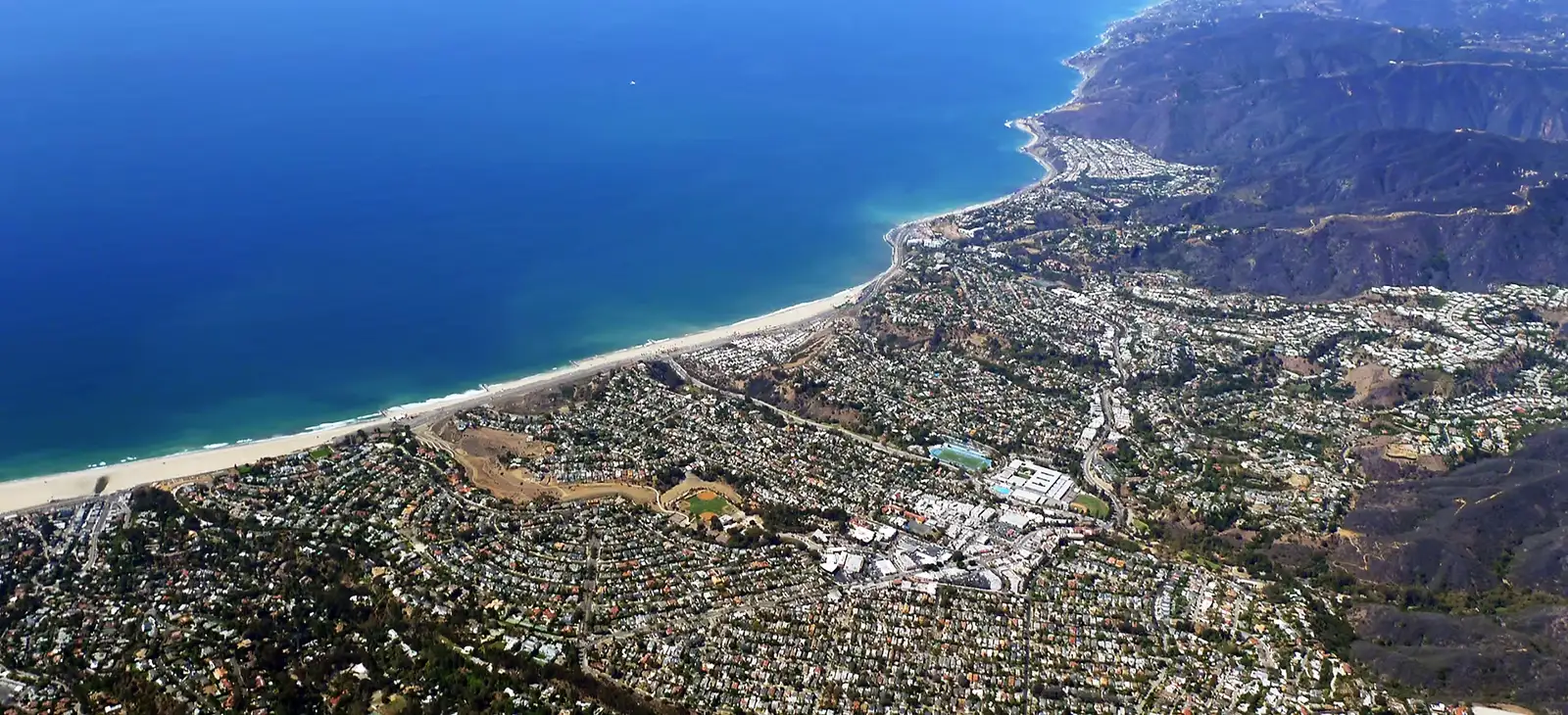
Losing a home to the Eaton or Palisades fire is a shock that doesn't end when the flames do. In the weeks and months that follow, Altadena and Pacific Palisades homeowners face a paperwork and logistics mountain most people have never had to climb before: insurance claims, debris removal authorizations, soil testing, permits, architectural plans, utility reconnections, and finally — the rebuild itself.
The good news: a qualified design-build contractor can absorb most of it. But there are a handful of steps that legally, practically, or financially must be handled by you, the homeowner. Knowing which is which is the difference between a rebuild that takes 14 months and one that drags past three years.
The Short Version: Your Job vs. the Contractor's Job
Only you can do:
- File and negotiate your insurance claim
- Sign debris removal authorizations (ROE / opt-in or opt-out forms)
- Make design decisions about your new home
- Sign off on permits, change orders, and draws
- Coordinate with your lender if you have a mortgage
A full-service contractor can handle:
- Site assessment and debris coordination
- Architectural design and engineering (in-house or via partners)
- All permit applications and plan-check corrections
- Soil, structural, and utility investigations
- Every trade, subcontractor, and material order
- Inspections, final sign-off, and certificate of occupancy
If you hire a contractor who only builds — meaning no in-house architect, engineer, or permit runner — you'll end up coordinating those yourself. That's the single biggest reason rebuilds stall.
Step 1: Insurance — This One Is on You
Your insurance claim is the foundation of the entire rebuild budget, and no contractor can legally file it for you. Start here:
- Request your full policy, not just the declaration page. You need the actual language for Dwelling (Coverage A), Other Structures (Coverage B), Personal Property (Coverage C), Loss of Use (Coverage D), and any extended or guaranteed replacement-cost endorsements.
- Document everything that's gone. Photos, receipts, videos from past birthdays and holidays — anything that proves what was in the house.
- Get your own estimate early, independent of the insurer's adjuster. This is where a contractor helps enormously: we can produce a detailed scope and cost breakdown that you can use in negotiation. Insurance adjusters often quote numbers 20–40% below actual LA-market rebuild costs.
- Track Additional Living Expenses (ALE / Coverage D) carefully. Save every hotel, rental, and meal receipt if applicable.
California also requires insurers to offer at least 24 months of ALE and 36 months to rebuild after a declared disaster — push back if you're told otherwise.
Step 2: Debris Removal — You Sign, the Program (or Contractor) Executes
After the Eaton and Palisades fires, LA County offered two debris removal paths: the government-sponsored program (free, coordinated by the Army Corps of Engineers) or private removal at the homeowner's expense.
Either way, you have to submit the Right of Entry (ROE) form or the opt-out form. That signature can't be delegated. Once submitted, the actual work — hazardous material assessment, ash removal, concrete scraping, soil testing — is handled for you.
If you opt out and go private, a contractor can coordinate the licensed abatement crew, but you still sign the opt-out paperwork and pay the bills (which insurance usually reimburses up to policy limits).
Step 3: Design and Engineering — Let the Contractor Drive
This is where homeowners often burn 6–12 unnecessary months. The sequence matters:
- Site survey and soil report — required before plans can be finalized. A design-build contractor orders these.
- Architectural plans — either a like-for-like rebuild (fastest permit path under post-disaster ordinances) or a redesigned home (more time, more options).
- Structural engineering — required for every permit set.
- Title 24 energy compliance — California-specific, non-negotiable.
- Plan check and revisions — the city will come back with corrections. This round-trip is where general contractors without in-house architects lose months waiting for an outside firm to respond.
At Amerbuild, our in-house architect and engineer (Greyson) produces plans that anticipate LA plan-check feedback, which typically cuts the permit cycle in half.
Step 4: Permits — Paperwork-Heavy, but Not Your Paperwork
Permits are the step homeowners dread most, and also the one most fully delegable. Your contractor pulls:
- Building permit
- Grading permit (if applicable)
- Electrical, plumbing, and mechanical permits
- Demolition permit (if debris is going private)
Post-disaster ordinances in both Altadena (LA County) and Pacific Palisades (City of LA) include expedited pathways for like-for-like rebuilds and waivers on certain fees. A contractor familiar with these post-fire programs will apply them automatically. You'll sign the permit application as the property owner — that's your only required touch.
Step 5: Construction — Your Job Is to Make Decisions, Not Manage Trades
Once you break ground, your responsibilities drop to:
- Attending a weekly or biweekly site meeting (30–60 minutes)
- Making finish selections on schedule (cabinets, countertops, flooring, tile, fixtures, paint) — our kitchen and bathroom teams guide these decisions
- Approving change orders
- Releasing progress draws to the contractor
Everything else — scheduling framers, electricians, plumbers, drywall, roofers, HVAC, landscaping, inspections, material deliveries — is the contractor's job. If you're being asked to chase subs or coordinate inspections, you've hired the wrong team.
Step 6: Utilities and Reconnection
Gas, water, and power reconnections after a total loss often require new service applications, not just reactivation. Your contractor can submit most of these, but the utility companies (SoCalGas, DWP, SCE) will usually require your signature as the account holder. Expect one or two forms to sign here.
The Mistakes That Cost Homeowners Years
- Waiting on insurance before starting design. Start design immediately. You can revise scope once your insurance settlement lands.
- Hiring architect, engineer, and contractor separately. Every handoff is a delay. Design-build under one roof eliminates that.
- Accepting the first insurance estimate. Get an independent contractor estimate and negotiate.
- Skipping soil testing for expediency. Post-fire soil often has contamination and compaction issues. Skipping this step means failed inspections later.
- Under-documenting personal property. Coverage C can be 50–75% of Coverage A. Most homeowners leave tens of thousands on the table here.
- Not considering an ADU during the rebuild. Adding a detached ADU during reconstruction is dramatically cheaper than a separate project later — see how to add an ADU during a fire rebuild for the tradeoffs.
What to Look for in a Fire Rebuild Contractor
- Licensed California General Contractor (B license) with fire rebuild experience — ideally prior Thomas, Woolsey, or Camp fire rebuilds.
- In-house architecture and engineering, or a long-standing partnership with one firm.
- Clear experience with LA County and City of LA post-disaster ordinances.
- Willing to work with your insurance adjuster on scope and pricing.
- Realistic timeline: most single-family rebuilds run 12–18 months from permit to occupancy.
The Bottom Line
You control the money and the decisions. The contractor controls everything else. If your rebuild team is doing its job, your weekly time commitment after construction starts should be one meeting and a handful of emails — not a second full-time job.
Amerbuild is a licensed design-build general contractor specializing in Altadena (Eaton Fire) and Pacific Palisades (Palisades Fire) rebuilds. Our in-house architect and engineer, insurance-savvy estimators, and permit specialists handle the process end-to-end. Contact us for a free on-site consultation — we can meet you at your lot, walk through scope, and give you a written estimate you can bring to your insurance adjuster. See our full fire rebuild services for details.