
Do You Need a Permit for Your Deck or Patio in LA?
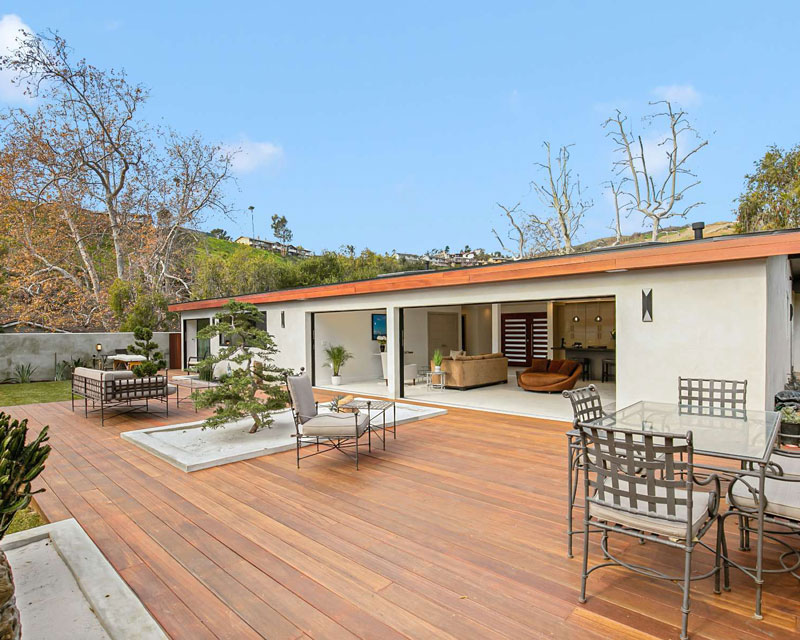
"Do I really need a permit for a simple deck?" It's one of the most common questions we hear from homeowners — and for good reason. Permits add time, cost, and paperwork to a project. It's tempting to skip them.
But unpermitted work can come back to bite you in ways that are far more expensive and stressful than just doing it right the first time. This guide explains exactly when you need a permit in Los Angeles, when you don't, and why it matters more than most people realize.
The Short Answer
In Los Angeles, you generally need a permit for:
- Decks attached to your home (any height)
- Decks higher than 30 inches above grade
- Any covered structure (patio cover, pergola, gazebo)
- Outdoor electrical (lighting, outlets, fans)
- Outdoor plumbing (sinks, fountains, gas lines)
- Outdoor kitchens with gas or electrical components
- Structural changes (load-bearing walls, foundations)
You generally don't need a permit for:
- Ground-level patios (concrete slabs, pavers, stone) under 30 inches above grade
- Freestanding decks under 30 inches above grade and under 200 sq ft (varies by jurisdiction)
- Replacing decking boards on an existing permitted deck (like-for-like)
- Simple landscaping, planter boxes, and walkways
That said — local rules vary, exceptions exist, and the consequences of guessing wrong are significant. Always confirm with your contractor or your local building department.
The Long Answer: Why Permits Exist
Permits aren't bureaucratic torture invented to slow you down. They exist for three real reasons:
1. Safety
Decks fail. It happens more often than people realize. When a deck collapses, people get seriously hurt. The permit and inspection process exists to make sure your deck is structurally sound — that the footings are deep enough, the framing is sized correctly, the connections are properly fastened, and the railings won't give way.
A licensed contractor pulling a permit means a licensed inspector verifies the work meets code. That's a powerful safeguard.
2. Insurance
Unpermitted work can void your homeowner's insurance. If a friend trips on your deck and breaks an ankle, your insurance company can deny the claim if the deck wasn't permitted. Same goes for fire damage, water damage, or any incident traced back to unpermitted construction.
Some insurers will even cancel your policy entirely if they discover unpermitted improvements during a routine inspection.
3. Resale
When you sell your home, the buyer's inspector and the buyer's appraiser will compare your home to county records. If there's a deck or covered patio that doesn't appear on permitted plans, it gets flagged. At that point, you have three options:
- Disclose and discount the price to account for the unpermitted work
- Pull a retroactive permit (slow, expensive, sometimes requires partial demolition)
- Tear it out before selling
None of these are good outcomes. Buyers also frequently walk away from deals when unpermitted additions are discovered, even if everything else looks good.
When You Need a Permit in Los Angeles (Detailed)
Decks
Need a permit:
- Any deck attached to your house (regardless of height)
- Any deck more than 30 inches above grade at any point
- Any deck supporting a roof, awning, or cover
- Any deck with electrical, gas, or plumbing
- Replacement of deck framing (joists, posts, beams) — even like-for-like
Usually don't need a permit:
- Freestanding ground-level decks under 30 inches in height (but check local rules — LA City and LA County differ)
- Cosmetic replacement of decking boards on an existing permitted deck
Patios
Need a permit:
- Covered patios of any size
- Patios with built-in features that affect drainage or structure
- Patios with outdoor kitchens, fire features, gas, or electrical
Usually don't need a permit:
- Ground-level concrete, paver, or stone patios with no cover
- Simple flat hardscape on grade
Pergolas, Gazebos & Patio Covers
Always need a permit. Even an "open" pergola is considered a structure under California building code and requires structural calculations, footings, and inspections.
Outdoor Kitchens
Need a permit for any gas line, electrical wiring, plumbing, or covered structure. The countertop and grill alone may not require a permit, but as soon as you add gas, water, or electricity, you're in permit territory.
Outdoor Electrical & Plumbing
Always need a permit. Outdoor lighting, GFCI outlets, ceiling fans, irrigation upgrades, and sinks all require electrical or plumbing permits.
The Permit Process (What to Expect)
If you're working with a licensed contractor like Amerbuild, you don't need to do anything yourself — we handle it all. But here's what's actually happening behind the scenes:
1. Plans & Engineering
Architectural drawings and structural calculations are prepared, showing dimensions, materials, footings, framing, and connections.
2. Submittal
Plans are submitted to the Los Angeles Department of Building and Safety (LADBS) or your local jurisdiction.
3. Plan Check
A plan checker reviews the drawings for code compliance. Corrections may be requested. We address them and resubmit until approved.
4. Permit Issued
Once plans are approved and fees paid, the permit is issued. Construction can begin.
5. Inspections
At key milestones (footings, framing, final), a city inspector visits the site to verify the work matches the approved plans and meets code.
6. Final Approval
After the final inspection passes, the permit is closed out and the project is officially on record.
How Much Do Permits Cost?
Permit fees in Los Angeles typically range from a few hundred to a few thousand dollars depending on project size and complexity:
- Simple deck: $300–$800 in permit fees
- Covered patio / pergola: $500–$1,500
- Outdoor kitchen with gas/electric: $800–$2,500
- Major outdoor living project: $2,000–$5,000+
Plan check time also adds to the timeline — typically 2–6 weeks from submittal to permit issuance for a deck or patio project.
What If My Deck Was Built Without a Permit?
You have a few options:
Option 1: Leave It (Risky)
Many homeowners simply leave unpermitted work in place and hope it never comes up. This works… until it doesn't. Refinancing, selling, insurance claims, or a complaint from a neighbor can all surface unpermitted work.
Option 2: Retroactive Permit
You can apply for a permit after the fact, sometimes called "permit by survey." The city will review the existing structure, and if it meets code, you'll pay back fees plus a penalty (typically 2x normal fees). If it doesn't meet code, you may need to make modifications or partially demolish.
Option 3: Tear It Out
Sometimes, especially if the structure is poorly built, removing it is cheaper than retroactively permitting it.
If you're considering buying a home with unpermitted work, factor the cost of one of these three options into your offer.
Why Working With a Licensed Contractor Matters
A licensed contractor:
- Knows what needs a permit and what doesn't (no guessing)
- Pulls the permit in their name, taking responsibility for code compliance
- Coordinates inspections so they happen on time and pass on the first try
- Carries insurance that protects you if something goes wrong
- Builds to code — which is the whole point of the permit in the first place
Unlicensed contractors often skip permits to keep costs and timelines down, but the risk transfers entirely to you. If an unlicensed contractor's work fails, you're the one liable.
Bottom Line
If your project involves any of the following, you need a permit:
- Attached or elevated decks
- Covered structures of any kind
- Electrical, gas, or plumbing work
Don't gamble on it. The cost of doing it right is small compared to the cost of doing it wrong. And in California, the cost of an unpermitted deck failing — financially, legally, or in terms of someone getting hurt — is far higher than any permit fee.
Need Help Navigating Permits?
Amerbuild has been pulling deck and patio permits in Los Angeles since 1992. We know LADBS, we know the inspectors, and we know exactly what every jurisdiction in the area requires. We handle the entire process so you can focus on enjoying your finished outdoor space.
Contact us today or call (818) 705-5555 for a free site visit and consultation. We'll tell you exactly what permits you need and what to expect.
Amerbuild Construction & Remodeling has been a licensed general contractor in Los Angeles since 1992. We build code-compliant, fully permitted decks, patios, and outdoor living spaces across Altadena, Pacific Palisades, Woodland Hills, Santa Monica, Brentwood, Malibu, and Greater LA. License #1024554.