
The Complete Guide to Building an ADU in Los Angeles
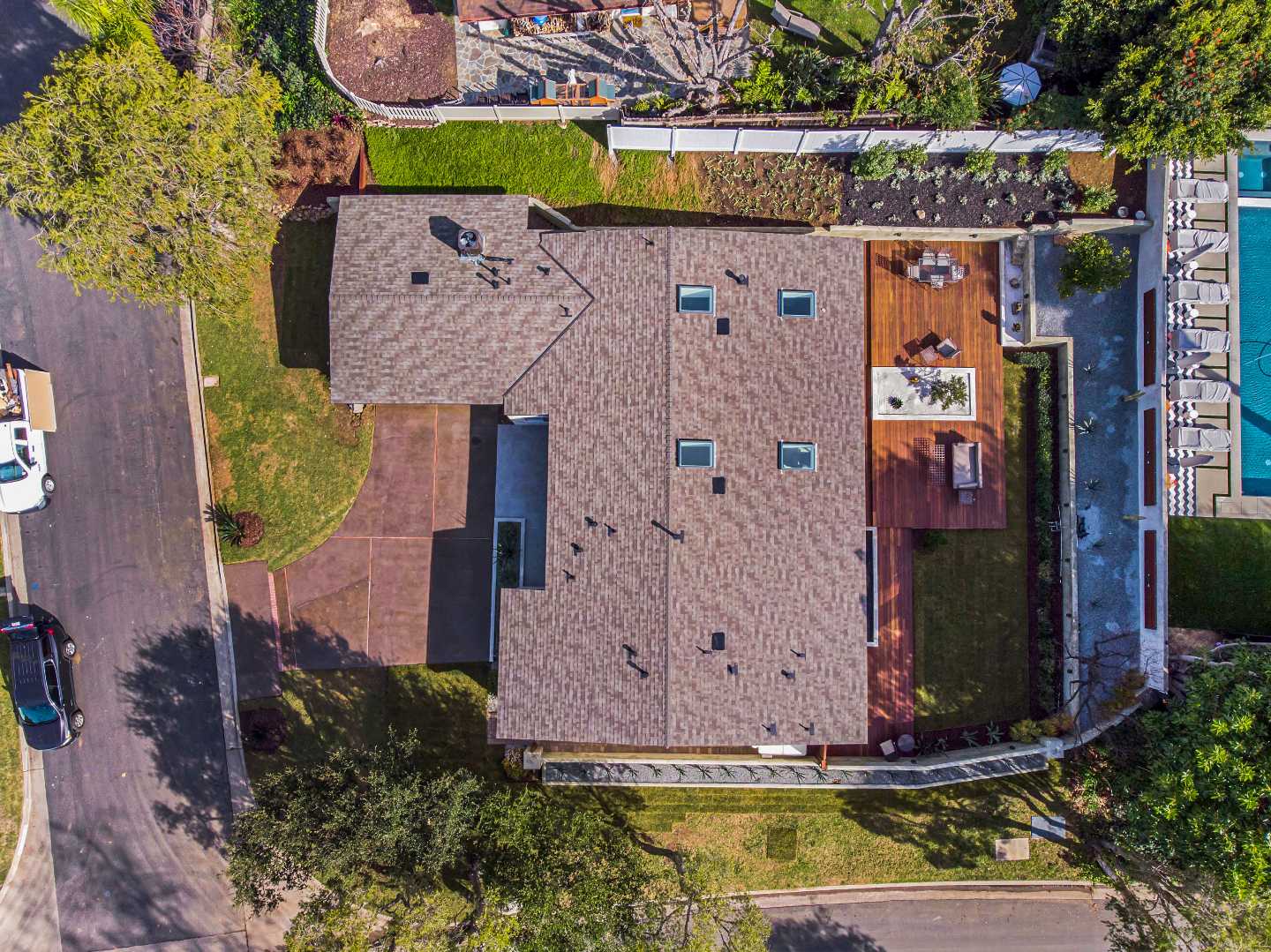
If you're a homeowner in Los Angeles, you've probably heard the buzz around ADUs — Accessory Dwelling Units. Whether it's a converted garage, a backyard cottage, or an addition to your existing home, ADUs have become one of the smartest investments a California homeowner can make.
But where do you start? Between navigating California's evolving ADU laws, understanding permits, managing costs, and choosing the right type of unit for your property, the process can feel overwhelming.
This guide breaks it all down so you can move forward with confidence.
What Is an ADU?
An ADU (Accessory Dwelling Unit) is a secondary housing unit on a single-family or multifamily residential lot. ADUs have their own kitchen, bathroom, sleeping area, and entrance — making them fully independent living spaces.
In California, ADUs are also commonly called:
- Granny flats
- In-law suites
- Backyard homes
- Guest houses
- Casitas
California has passed some of the most progressive ADU legislation in the country, making it easier than ever for homeowners to add these units to their properties.
Types of ADUs
Before you start planning, it helps to understand which type of ADU fits your property and goals.
Attached ADU
An attached ADU shares at least one wall with your existing home. It's essentially a home addition that functions as a separate living unit with its own entrance, kitchen, and bathroom. This is often the most cost-effective new-build option because it leverages your home's existing foundation and utilities.
Detached ADU
A detached ADU is a standalone structure built separately on your lot. Under California law, detached ADUs can be up to 1,200 square feet. They offer maximum privacy for both the homeowner and the occupant, making them ideal for rental units or multigenerational housing.
Garage Conversion
Converting an existing garage into an ADU is one of the fastest and most affordable paths to adding a dwelling unit. California law prohibits cities from requiring replacement parking when you convert a garage, removing a major barrier that existed in the past.
Junior ADU (JADU)
A Junior ADU is created within the existing footprint of your home — typically by converting a bedroom or attached garage. JADUs are limited to 500 square feet and must include a cooking facility (which can be an efficiency kitchen). Notably, California allows you to build both a JADU and a standard ADU on the same lot.
Multifamily ADU
If you own a multifamily property (duplex, triplex, apartment building), California law allows you to convert non-livable spaces like laundry rooms, storage areas, or basements into ADUs. You can also add up to two detached ADUs to a multifamily lot.
California ADU Laws: What You Need to Know
California has been steadily removing barriers to ADU construction since 2017. Here are the key regulations that affect Los Angeles homeowners:
Size Limits
- Detached ADU: Up to 1,200 sq ft
- Attached ADU: Up to 50% of existing living area (minimum 800 sq ft allowed)
- JADU: Up to 500 sq ft within existing footprint
Setback Requirements
- Rear and side setbacks: 4 feet for new construction
- Garage conversions: No additional setbacks required (existing footprint is grandfathered)
- Units under 800 sq ft: Reduced setback requirements apply
Parking
- No replacement parking is required when converting a garage to an ADU
- No additional parking is required for ADUs within half a mile of public transit
- Many areas of Los Angeles qualify for parking exemptions
Owner Occupancy
For ADUs permitted after January 1, 2020, California does not require owner occupancy. You can rent out both your primary home and your ADU.
HOA Restrictions
California law prohibits HOAs from banning ADUs. While HOAs may impose reasonable architectural and design standards, they cannot prevent you from building an ADU that complies with state law.
Impact Fees
ADUs under 750 sq ft are exempt from impact fees. Larger units may be subject to reduced fees proportional to their size relative to the primary dwelling.
The ADU Permitting Process in Los Angeles
One of the biggest questions homeowners have is: how do permits work? Here's a step-by-step overview of the ADU permitting process in Los Angeles.
Step 1: Feasibility Check
Before anything else, determine whether your lot qualifies. Key factors include:
- Lot size and zoning — Most single-family and multifamily residential zones allow ADUs
- Setback requirements — How close you can build to property lines
- Utility access — Can you connect to existing sewer, water, and electrical?
- Existing structures — Garage conversions have different requirements than new builds
A professional contractor like Amerbuild can conduct a free site assessment to evaluate your property's ADU potential.
Step 2: Design and Engineering
Once feasibility is confirmed, architectural plans and structural engineering documents are prepared. These must include:
- Floor plans and elevations
- Structural calculations
- Electrical and plumbing layouts
- Energy compliance documentation (Title 24)
Step 3: Submit for Plan Check
Plans are submitted to the Los Angeles Department of Building and Safety (LADBS) for review. Under California law, cities must act on ADU applications within 60 days for permits that don't require a new structure, or within a reasonable timeframe for new construction.
Step 4: Corrections and Approval
Plan checkers may issue correction letters requesting modifications. Your contractor addresses these and resubmits until the plans are approved and permits are issued.
Step 5: Construction and Inspections
With permits in hand, construction begins. The city will conduct inspections at key milestones — foundation, framing, rough electrical/plumbing, insulation, and final inspection.
Step 6: Certificate of Occupancy
After passing final inspection, you receive a Certificate of Occupancy, confirming your ADU is legally habitable.
How Much Does an ADU Cost in Los Angeles?
ADU costs vary significantly based on the type of project, size, finishes, and site conditions. Here are general ranges for Los Angeles:
| ADU Type | Typical Cost Range |
|---|---|
| Garage Conversion | $100,000 – $200,000 |
| Junior ADU (JADU) | $80,000 – $150,000 |
| Attached ADU | $150,000 – $350,000 |
| Detached ADU | $200,000 – $400,000+ |
What Drives ADU Costs?
- Size — Larger units cost more, but cost per square foot often decreases with scale
- Site conditions — Sloped lots, difficult soil, or limited access increase costs
- Utility connections — New sewer and water connections can add $10,000–$30,000+
- Interior finishes — Builder-grade vs. high-end materials make a significant difference
- Permitting and fees — Impact fees, school fees, and permit costs vary by jurisdiction
The best approach is to get a detailed, transparent estimate from a licensed contractor before making any decisions.
ADU Financing Options
Building an ADU is a significant investment, but several financing options can make it accessible:
Home Equity Line of Credit (HELOC)
If you have equity in your home, a HELOC allows you to borrow against it with relatively low interest rates. This is one of the most common ADU financing methods.
Cash-Out Refinance
Refinancing your mortgage to pull out equity can provide a lump sum for ADU construction. This works well when interest rates are favorable.
Construction Loan
A short-term loan specifically for building projects that converts to a permanent mortgage upon completion. Ideal if you don't have significant equity.
CalHFA ADU Grant Program
The California Housing Finance Agency offers grants of up to $40,000 for qualifying ADU projects. This is free money that doesn't need to be repaid — check eligibility requirements as they change periodically.
Local Incentive Programs
The City of Los Angeles and LA County periodically offer incentive programs, fee waivers, and expedited permitting for ADU construction. Ask your contractor about current programs.
The ROI of Building an ADU
An ADU is one of the highest-ROI home improvements you can make in Los Angeles:
- Rental income: A well-built ADU in LA can generate $1,500 to $3,500+ per month in rental income
- Property value increase: ADUs typically add 20-30% to your property value — in Los Angeles, that's often $150,000 to $300,000+ in added equity
- Tax benefits: Only the ADU itself is reassessed for property tax purposes, not your entire property
- Flexibility: Use it as a rental today, a home office tomorrow, or senior housing in the future
Many homeowners find that their ADU pays for itself within 5 to 8 years through rental income alone.
Common Mistakes to Avoid
Not Hiring a Licensed Contractor
ADU construction involves complex permitting, structural work, and code compliance. Unlicensed work can result in fines, forced demolition, and inability to legally rent the unit.
Underestimating the Timeline
From design through permitting to construction, a complete ADU project typically takes 6 to 12 months. Plan accordingly and don't rush decisions.
Ignoring Utility Capacity
Ensure your lot's sewer, water, and electrical systems can support an additional unit. Upgrading utilities is a common hidden cost.
Skipping the Site Assessment
Every lot is different. Soil conditions, easements, tree preservation requirements, and slope can all affect feasibility and cost. A thorough site assessment prevents expensive surprises.
Choosing the Cheapest Bid
The lowest price often means cutting corners on materials, labor, or permits. Focus on value — a quality ADU built by a licensed contractor will generate better returns and fewer headaches for decades.
Why Choose Amerbuild for Your ADU Project
At Amerbuild Construction & Remodeling, we've been building in Los Angeles for over 25 years. Our ADU expertise includes:
- Full design-build service — One team handles architecture, engineering, permits, and construction
- Deep knowledge of California ADU laws — We stay current with every legislative change
- Localized permitting expertise — We know the nuances of LADBS, Altadena, Pacific Palisades, and surrounding jurisdictions
- Transparent pricing — Detailed estimates with no hidden costs
- Licensed, bonded, and insured — LIC #1024554
Whether you're converting a garage, building a detached unit, or adding an ADU to a multifamily property, we make the process simple and stress-free.
Ready to Get Started?
The first step is a free site assessment. We'll evaluate your property, discuss your goals, and provide a clear roadmap — including budget, timeline, and design options.
Contact us today or call us at (818) 705-5555 to schedule your free ADU consultation.
Amerbuild Construction & Remodeling serves Los Angeles, Altadena, Pacific Palisades, Woodland Hills, Santa Monica, Brentwood, Malibu, and surrounding communities. Licensed General Contractor #1024554.